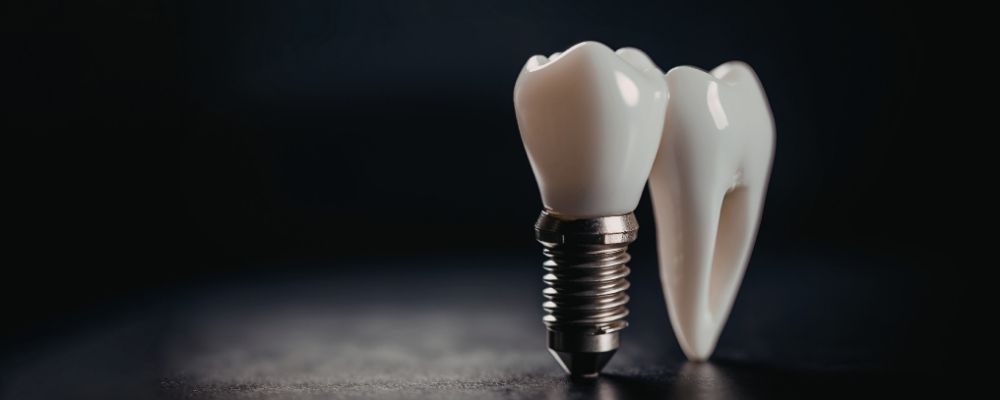
Peri-implantitis is inflammation around the tissues supporting a dental implant, often leading to bone loss if untreated. Early diagnosis and intervention are critical to maintain the longevity and health of your implants.
Causes of Peri-Implantitis
Peri-implantitis can develop due to:
- Bacterial infection from inadequate oral hygiene
- Excessive stress or occlusal load on the implant
- Residual cement from crowns or bridges
- History of gum disease (periodontitis)
- Smoking or systemic health conditions
The condition often starts as peri-implant mucositis (soft tissue inflammation) and can progress to peri-implantitis, involving bone loss around the implant.
Symptoms of Peri-Implantitis
- Red, swollen, or bleeding gums around the implant
- Gum recession exposing implant threads
- Pus or discharge from the implant site
- Pain or tenderness
- Loosening of the implant in advanced cases
Prompt evaluation by a periodontist is essential to prevent progression.
Diagnosis
Diagnosis involves:
- Clinical examination of gum tissue around the implant
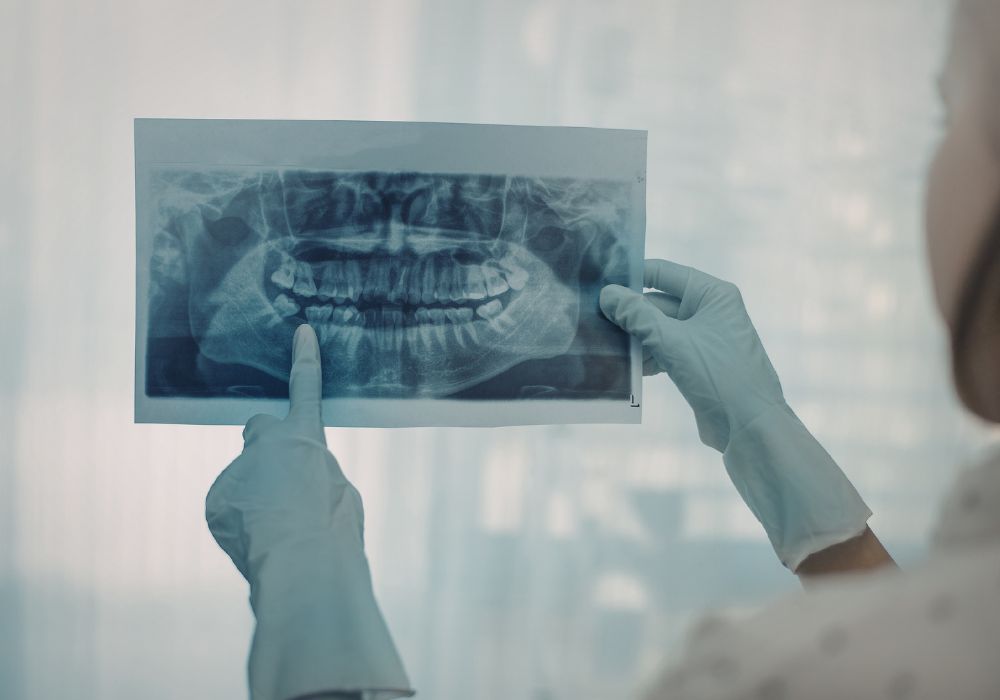
- Radiographs or CBCT scans to evaluate bone levels
- Probing to check pocket depth
- Assessment of implant stability
Early detection allows for less invasive treatment and better outcomes.
Treatment Options
Non-Surgical Therapy
- Professional cleaning around the implant
- Antimicrobial rinses or gels
- Laser therapy for bacterial decontamination (see below)
Surgical Therapy
- Flap surgery to access the implant
- Removal of infected tissue
- Decontamination of the implant surface
- Bone grafting or regenerative techniques to restore lost bone
Laser Therapy for Peri-Implantitis
Laser treatment is an advanced, minimally invasive option for peri-implantitis. It uses focused light energy to:
- Remove bacteria and infected tissue from around the implant
- Promote healing of the gum and bone
- Reduce discomfort and post-operative swelling
- Often combined with regenerative procedures for bone preservation
Benefits of laser therapy:
- Minimally invasive and precise
- Preserves healthy tissue
- Accelerates healing and reduces inflammation
- Can be used alone or with traditional surgical approaches
Prevention of Peri-Implantitis
- Brush and floss implants daily with specialized tools
- Schedule regular professional cleanings with a periodontist
- Avoid smoking and maintain systemic health
- Ensure proper implant placement and restoration by a skilled specialist
Peri-implantitis is manageable with early diagnosis, professional care, and proper maintenance. At Mayflower Periodontics and Implant Center, with laser therapy and advanced periodontal techniques, we can effectively treat infection, promote healing, and preserve the longevity of your dental implants.